
OBJECTIVES OF THE MODULE
- Understanding renewable resources and how to manage them.
CONTENTS OF THE MODULE
- Differences between Renewable and Non-renewable Resources.
- How to Manage Renewable Resources.
- SWOT analysis of Implementing Renewable Energies.
Differences between Renewable and Non-renewable resources
| Renewable Resources | Non-Renewable Resources | |
| Depletion | Cannot be depleted over time | Deplete over time |
| Sources | Sunlight, wind, water, geothermal, … | Include fossil fuels such as coal and petroleum, nuclear, … |
| Environmental Impact | Low carbon emissions and low carbon footprints | Extremely high carbon emissions and carbon footprints |
| Cost | The upfront cost of renewable energy is high and generating energy from renewable energy is costlier than with fossil fuels | Low upfront cost |
| Infrastructure Requirements | Extensive and not easily accessible in most countries | Cost-effective and available across most countries |
| Area Requirements | Requires a large land, especially for wind farms and solar farms | Lower area requirements |
How to Manage Renewable Resources
- We manage their harvest in order to ensure their constant availability.
- It is necessary not to use in more rhythm than their grown, verifying their constant restoration, without depletion.
- At the moment, we are using fossil fuels at a higher rate than its appearance, making it a non-renewable resource.
- Renewable resources, such as wind, for example, are great because their availability is much higher and almost impossible to extinguish.
SWOT analysis of Implementing Renewable Energies
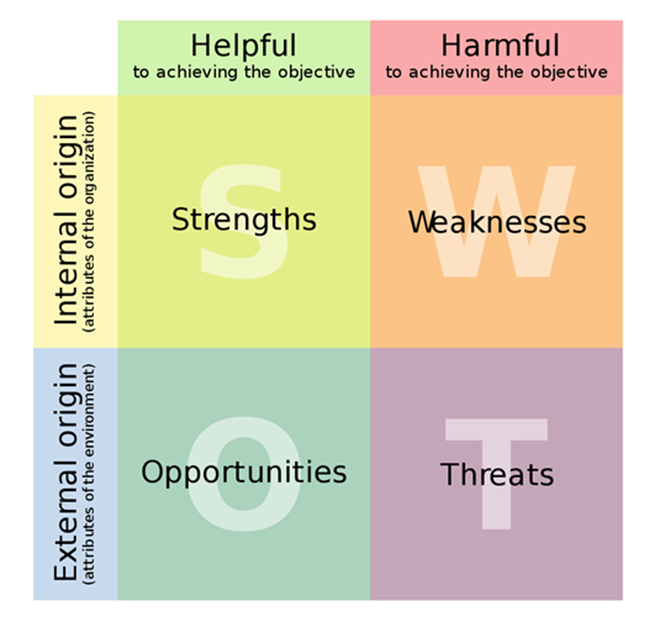
- Strengths:
- Low Carbon Energy Sources.
- Job Opportunities and Renewable energy promotion.
- Weakness:
- Limited Financial Resources.
- Excessive land use.
- Opportunities:
- Better for the Environment.
- Improve Ecological Status.
Financial Incentives (some countries)
- Threats:
- Low Climate Change Awareness.
- Technical and Industrial Barriers.
- Social Barriers Limited Political Regulations.
 Spanish
 English
 French
 Portuguese
 Turkish